

gold mirror glass sheets
Using V Blocks An Essential Tool for Precision and Accuracy in Machining In the world of machining and manufacturing, precision is paramount. To achieve the exact specifications required for components, machinists rely on a variety of tools and techniques. One of these indispensable tools is the V block. This simple yet highly effective device serves as a fixture for holding workpieces, ensuring that they are positioned securely and accurately during various machining processes. This article explores the uses, advantages, and best practices associated with V blocks in machining environments. What are V Blocks? V blocks are precision-milled blocks, typically made of metal, that feature a V-shaped groove on one or more sides. This design allows them to hold cylindrical workpieces, such as shafts or rods, firmly in place. V blocks come in various sizes, and they can be purchased individually or as part of a larger set. They are often used in conjunction with clamps and other equipment to create a stable workstation. Applications of V Blocks V blocks are used in a wide range of applications across different sectors of machining and manufacturing. Here are some common uses 1. Holding Cylindrical Workpieces The primary function of a V block is to securely hold cylindrical objects. By resting a workpiece in the V-shaped groove, it prevents movement during processing, allowing for accurate machining. 2. Drilling and Tapping In machining operations where drilling or tapping is required, V blocks provide stability for the workpiece, ensuring that the drill bit or tap remains aligned with the desired entry point. 3. Measuring and Inspection V blocks are also valuable in measurement and inspection processes. For example, when using a caliper or gauge to check the dimensions of a cylindrical part, a V block provides a steady surface that enhances accuracy. 4. Indexing Workpieces For operations that require flipping or rotating a workpiece, V blocks can be used to index positions, allowing for repeatable set-ups without the need for re-alignment. Advantages of Using V Blocks The benefits of utilizing V blocks in machining operations extend beyond just their ability to hold components. Here are some key advantages using v blocks 1. Improved Accuracy By securely holding workpieces, V blocks reduce the likelihood of errors related to movement during machining. This contributes to higher precision and quality in the final product. 2. Ease of Use V blocks are simple tools that can be easily positioned and adjusted. Their design promotes efficiency, allowing machinists to focus on the task at hand rather than wrestling with poorly secured workpieces. 3. Versatile Applications V blocks can be used with a variety of machines, including drill presses, lathes, and milling machines. Their versatility makes them a valuable addition to any workshop. 4. Cost-Effective Solution Compared to other holding fixtures, V blocks are relatively inexpensive. Their cost-effectiveness does not compromise performance, making them a wise investment for any machining operation. Best Practices for Using V Blocks To maximize the effectiveness of V blocks, consider these best practices 1. Choose the Right Size Select a V block that fits your workpiece size. Using an appropriately sized block ensures optimal stability and support. 2. Secure the Workpiece Always use appropriate clamps or straps to secure the workpiece in place. This prevents any movement during machining, safeguarding against inaccuracies. 3. Regular Maintenance Keep V blocks clean and free of debris. Regularly check for wear and tear to ensure they continue to perform effectively. 4. Use With Other Tools Combine V blocks with other holding fixtures, like vises and jigs, for more complex machining tasks. This enhances stability and accuracy further. In conclusion, V blocks are a fundamental component in the toolset of any machinist. Their ability to hold cylindrical workpieces securely while providing the precision necessary for high-quality machining makes them invaluable. By understanding their applications and adhering to best practices, machinists can significantly enhance their workflow and achieve superior results in their machining tasks.
about
gold mirror glass sheets
The Importance of Large Granite Surface Plates in Precision Measurement In the realm of precision measurement and quality control, large granite surface plates play a crucial role. These flat, stable surfaces provide the foundation upon which accurate measurements are taken, ensuring that the dimensions and geometries of manufactured parts meet necessary specifications. In industries such as aerospace, automotive, and mechanical engineering, the importance of precision cannot be overstated, making granite surface plates indispensable tools. Granite is a natural stone known for its durability and minimal thermal expansion. These properties are essential for maintaining the accuracy of measurements. Unlike other materials, granite does not flex or warp under heavy loads, which is vital when dealing with large components or assemblies. The inherent stability of granite ensures that the surface plate retains its flatness over time, thus providing a consistent reference point for measurement. One of the primary advantages of using large granite surface plates is their ability to withstand the rigors of shop environments . They are highly resistant to scratches, thermal changes, and chemical spills, making them ideal for use in production areas where heavy machinery and various substances are present. This robustness translates into lower maintenance costs and longer service life compared to other materials that might require frequent replacement or repairs. When it comes to precision measurement, the flatness of a surface plate is paramount. Large granite surface plates are manufactured to stringent tolerances, often measured in microns. This level of precision ensures that even the smallest deviations in part dimensions can be accurately detected. This is particularly important in high-stakes industries where even the slightest error can lead to significant operational failures or safety issues. The accuracy provided by granite surface plates contributes to enhanced quality control processes, resulting in fewer defects and improved product reliability. large granite surface plate Additionally, large granite surface plates facilitate the use of various measuring tools and instruments. Calipers, micrometers, height gages, and coordinate measuring machines (CMMs) all benefit from the steady and flat nature of the granite surface. By providing a consistent base, these tools can yield precise measurements that conform to the necessary engineering standards. This compatibility with a wide range of measurement devices makes granite surface plates versatile and highly valuable in any measurement-intensive environment. The size of granite surface plates also adds to their utility. Large plates are capable of accommodating sizeable and complex components, allowing for comprehensive inspection and measurement operations. This capability is particularly beneficial in environments where large assemblies need to be measured or aligned. The expansive surface area of large granite plates minimizes the need for multiple setups or repositioning of parts, which can introduce errors. Instead, operators can perform measurements in one go, thereby increasing efficiency and reducing the potential for mistakes. Moreover, large granite surface plates are not just limited to manufacturing contexts; they are also vital in research and development. Laboratories conducting experiments often require precise measurements to validate hypotheses or test new materials. In such cases, granite surface plates serve as stable platforms for conducting various scientific investigations where accuracy is crucial. In conclusion, large granite surface plates are foundational tools in the world of precision measurement. Their properties of flatness, durability, and resistance to environmental factors make them ideal for a variety of industrial applications. By providing a stable and accurate reference point, granite surface plates help ensure that manufactured components meet exacting standards, enhancing quality control processes and minimizing errors. Whether in manufacturing or research environments, their enduring utility makes them an essential asset, promoting precision and reliability in an ever-evolving technological landscape. As industries continue to demand higher accuracy and quality, the role of granite surface plates will undoubtedly remain significant in the pursuit of excellence.
-

High quality industrial productsagement

High quality industrial products
View Details -

Meet the diverse needs of customers

Meet the diverse needs of customers
View Details -

Strict quality control

Strict quality control
View Details -

Top raw materials

Top raw materials
View Details -

Trusted supplier

Trusted supplier
View Details
Our application


news and information
Why Granite Surface Plates Outperform Other Materials
Precision is the foundation of any successful industrial or fabrication process. Whether it's for me
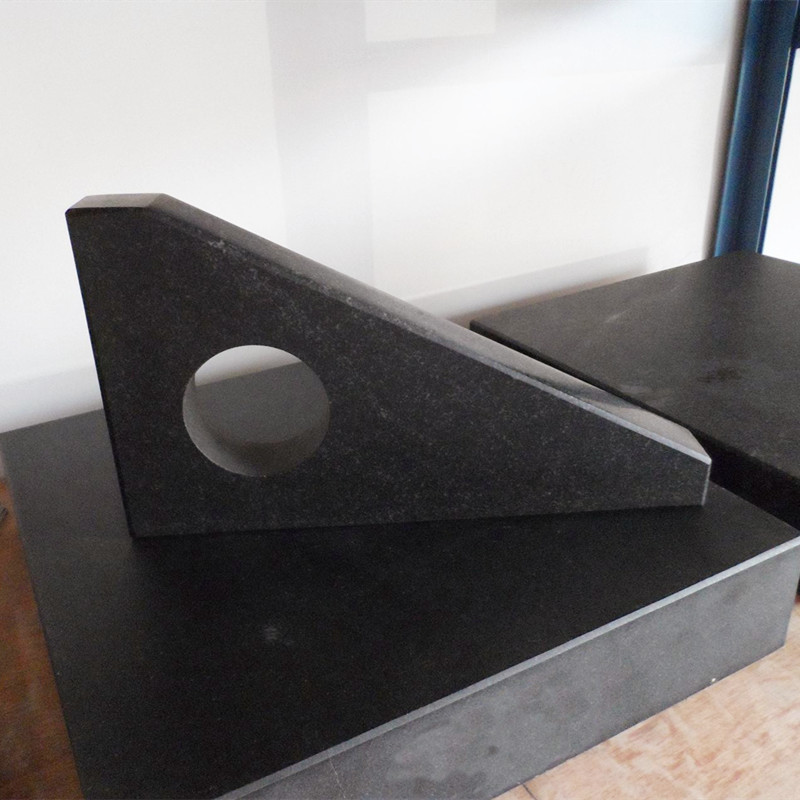
Vee Blocks for Sale - Premium Quality & Competitive Prices
Vee Blocks for Sale A Comprehensive Guide If you are in the manufacturing, engineering, or quality c

v block v block
Understanding V Block A Fundamental Tool in Manufacturing and Engineering In the world of manufactur
 English